
High-Risk Pregnancy Care in Kandivali East
Not every pregnancy follows the same path. Some need closer attention because of a medical condition, a previous complication, or how the pregnancy itself is progressing. That does not mean something will go wrong. It means your care plan needs to be more detailed, and your monitoring more frequent.
If your pregnancy has been labelled high-risk, having a doctor who understands both the medical picture and your concerns can make a real difference in how the next few months go.
For women searching for a pregnancy doctor in Kandivali East for closer monitoring, Dr. Pallavi Kulkarni offers structured care for routine as well as high-risk pregnancies.
Part of our pregnancy care cluster: see the complete Pregnancy Care in Kandivali East hub for the full journey from preconception through postpartum.
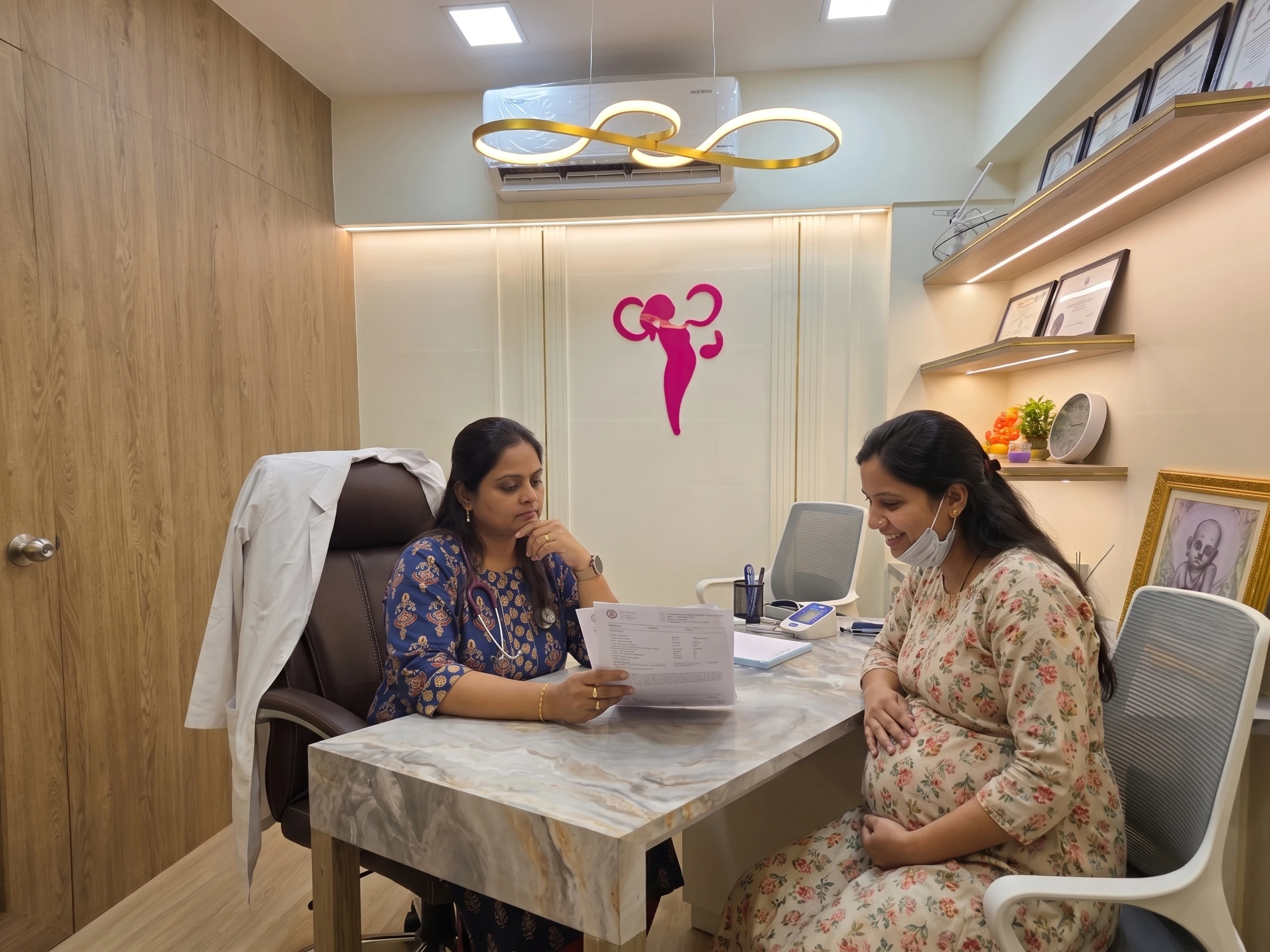
At Aarogya Women’s Clinic in Kandivali East, Dr. Pallavi Kulkarni provides high-risk pregnancy care that covers thorough monitoring, clear planning, and timely decisions. She has 16 years of experience in obstetrics and gynaecology, including managing complex pregnancies involving diabetes, hypertension, thyroid disorders, twin pregnancies, IVF conceptions, and previous caesarean deliveries.
What is a High-Risk Pregnancy?
A high-risk pregnancy is one where the mother, the baby, or both face a greater chance of health problems during pregnancy, delivery, or after birth. This does not automatically mean there will be complications. It means the pregnancy requires more careful attention and specialist-level care.
Common reasons a pregnancy may be classified as high-risk include:
- Pre-existing diabetes (Type 1 or Type 2) or gestational diabetes
- Thyroid disorders - hypothyroidism or hyperthyroidism
- Chronic high blood pressure or pregnancy-induced hypertension (preeclampsia)
- Heart disease, kidney disease, or autoimmune conditions
- Twin or multiple pregnancy
- IVF or assisted reproduction pregnancy
- Previous caesarean section or uterine surgery
- History of preterm birth, miscarriage, or stillbirth
- Maternal age over 35 (elderly gravida)
- Obesity or significant underweight
- Chronic medical conditions such as heart disease, kidney disease, or autoimmune disorders
- Blood disorders such as anaemia or clotting conditions
- Rh incompatibility
- Large or multiple uterine fibroids (which may need myomectomy evaluation before or after pregnancy, depending on size, location and symptoms)
According to the World Health Organization, approximately 15% of all pregnancies develop complications requiring specialist care. Early identification and proper management are essential for safer outcomes.
“Being told your pregnancy is high-risk can feel alarming. In practice, it usually just means closer care and clearer planning. Most of the women I see with high-risk pregnancies deliver healthy babies.” - Dr. Pallavi Kulkarni
If you have been told your pregnancy is high-risk, or if you have a condition that may need extra care during pregnancy, early planning makes a real difference.
High-Risk Pregnancy Conditions We Manage
Every high-risk pregnancy is different. The conditions below are among the most common ones we monitor and manage at Aarogya Women’s Clinic.
Gestational Diabetes
Gestational diabetes affects approximately 7 to 10 percent of all pregnancies in India, according to studies published in the Indian Journal of Endocrinology and Metabolism. It can affect the baby’s growth and increase the risk of complications during delivery. With regular blood sugar monitoring, dietary guidance, and medication when needed, most women with gestational diabetes have safe pregnancies.
Preeclampsia and Pregnancy-Induced Hypertension
Preeclampsia affects 5 to 8 percent of pregnancies worldwide according to WHO data. High blood pressure during pregnancy can reduce blood flow to the placenta and affect the baby’s growth. It can develop after 20 weeks and requires close monitoring of blood pressure, urine protein, and organ function.
Thyroid Disorders in Pregnancy
Both hypothyroidism and hyperthyroidism can affect foetal brain development and increase pregnancy complications if left uncontrolled. Regular thyroid function tests and dose adjustments are part of the care plan. For a deeper look at symptoms, fertility effects, treatment, and an Indian-kitchen-friendly diet, see our dedicated thyroid disorders in women page.
Twin and Multiple Pregnancy
Carrying twins or more increases the risk of preterm labour, gestational diabetes, and preeclampsia. These pregnancies need more frequent ultrasounds and closer growth monitoring.
IVF and Assisted Reproduction Pregnancy
Pregnancies achieved through IVF or fertility treatment are often monitored more closely, especially when there are multiple embryos, maternal age factors, or underlying conditions that contributed to infertility.
Previous Caesarean Section
India’s caesarean delivery rate has risen to 21.5 percent according to NFHS-5 (2019-21) data, making previous caesarean one of the most common reasons for high-risk classification. Research shows that 60 to 80 percent of women who attempt a trial of labour after caesarean (VBAC) deliver successfully. The decision between a planned repeat caesarean and VBAC depends on the type of previous incision, the reason for the earlier caesarean, and how the current pregnancy is progressing.
Recurrent Miscarriage
Women who have experienced two or more miscarriages may need additional testing and closer monitoring in subsequent pregnancies. Identifying treatable causes like clotting disorders, hormonal imbalance, or cervical insufficiency can improve outcomes.
Preterm Labour Risk
Preterm birth affects approximately 18 percent of deliveries in India according to NFHS-5 analysis. If you have a history of premature delivery or show signs of cervical shortening, preventive measures such as cervical cerclage, progesterone support, and activity modification can significantly reduce the risk.
Placenta-Related Complications
Conditions like placenta praevia (low-lying placenta) or placental insufficiency can affect how the baby receives nutrients and oxygen. These are identified through ultrasound and managed with close observation and timely delivery planning.
Rh Incompatibility
When the mother is Rh-negative and the baby is Rh-positive, the mother’s immune system can produce antibodies against the baby’s blood cells. Anti-D immunoglobulin injections and antibody monitoring are part of routine care in these cases.
Maternal Heart Disease
Pregnancy increases the workload on the heart. Women with congenital or acquired heart conditions need joint management between an obstetrician and a cardiologist throughout pregnancy and delivery.
Kidney Disease
Chronic kidney disease can worsen during pregnancy and increase the risk of preeclampsia and foetal growth restriction. Regular kidney function tests and coordinated care are necessary.
Elderly Gravida - Pregnancy After 35
Women over 35 face a higher likelihood of chromosomal abnormalities, gestational diabetes, and hypertensive disorders. According to ACOG, the risk of gestational diabetes is roughly twice as high after 35, and the chance of pregnancy-related high blood pressure also increases. First trimester screening, detailed anomaly scans, and careful metabolic monitoring are part of the care plan. If you have been trying to conceive after 35, early specialist involvement is helpful.
Anaemia and Blood Disorders
Severe anaemia, sickle cell disease, thalassaemia trait, and clotting disorders all require specific management during pregnancy to protect both mother and baby.
Our approach to care is informed by evidence-based guidelines from the American College of Obstetricians and Gynecologists (ACOG), the Royal College of Obstetricians and Gynaecologists (RCOG), and the Federation of Obstetric and Gynaecological Societies of India (FOGSI).
| Condition | Prevalence | Key Monitoring | Outcomes with Proper Care |
|---|---|---|---|
| Gestational Diabetes | 7-10% in India | Blood sugar, HbA1c, growth scans | Most women deliver safely with diet and monitoring |
| Preeclampsia | 5-8% worldwide | BP, urine protein, organ function | 50% reduction in adverse outcomes with structured care |
| Previous Caesarean | 21.5% of deliveries in India | Scar assessment, labour monitoring | 60-80% successful VBAC rate |
| Preterm Labour | 18% of births in India | Cervical length, contractions | Preventable in many cases with early intervention |
| Pregnancy After 35 | Growing trend | Screening, anomaly scan, metabolic tests | Most women have healthy pregnancies with closer monitoring |
Sources: WHO, NFHS-5 (DHS Program), ACOG, Indian Journal of Endocrinology and Metabolism
Managing a complex pregnancy is easier when you have the right team from the beginning.
Signs and Symptoms to Watch For
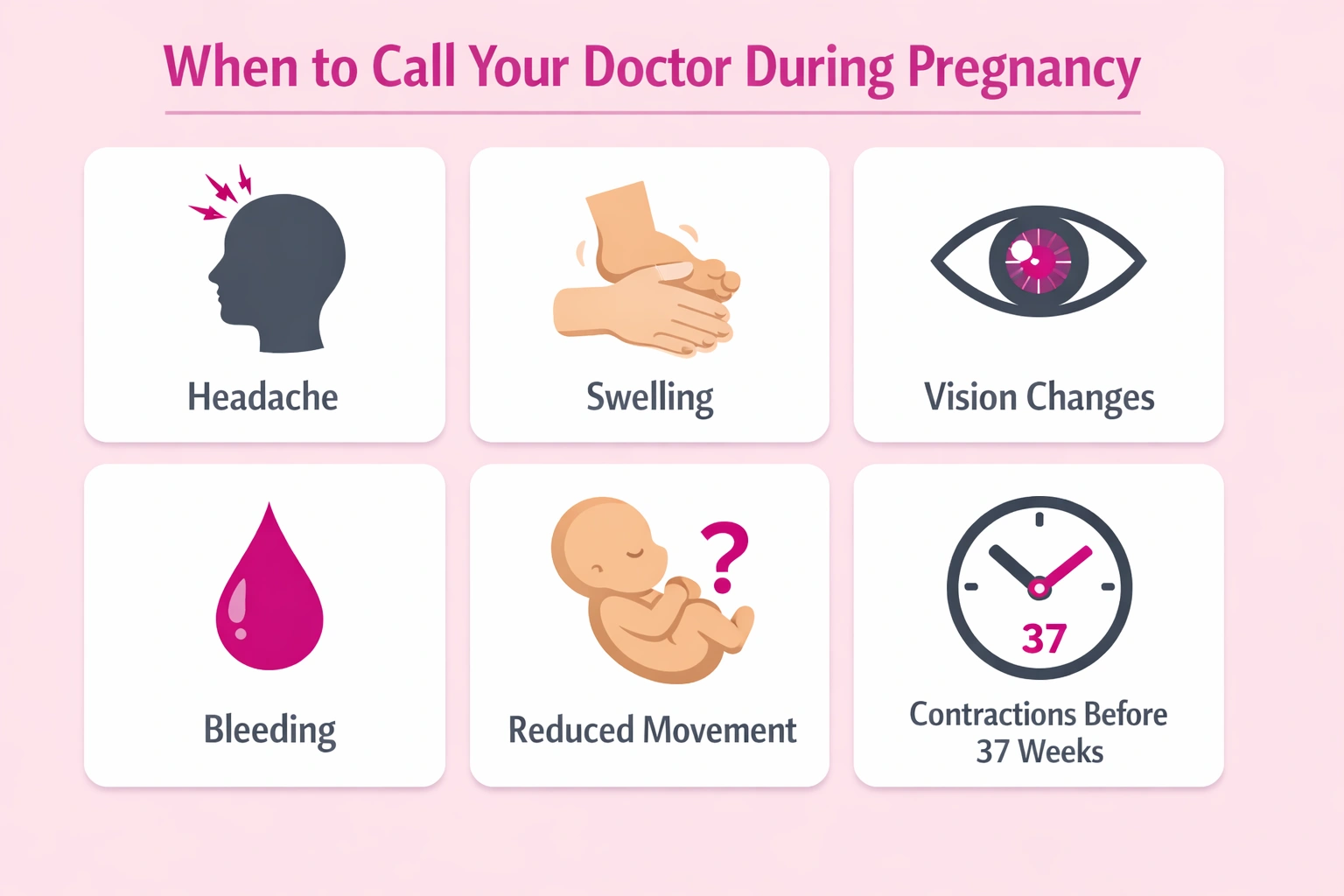
During a high-risk pregnancy, some symptoms need immediate attention. Contact your doctor if you experience any of the following:
- Vaginal bleeding or spotting at any stage of pregnancy
- Severe or persistent headache that does not improve with rest
- Sudden swelling of hands, feet, or face
- Visual disturbances such as blurred vision or seeing spots
- Persistent abdominal pain or cramping
- Reduced or absent foetal movement
- Leaking of fluid from the vagina (possible rupture of membranes)
- High fever or signs of infection
- Difficulty breathing or chest pain
- Persistent vomiting that prevents keeping food or water down
If something feels different from yesterday, please call. You will not be wasting our time. For a full patient-facing guide tagged by urgency (Emergency / Urgent / Important) on each sign, with what to do at 2 AM when you spot something concerning, see our blog post on 10 high-risk pregnancy warning signs you should never ignore.
When to See a High-Risk Pregnancy Specialist
Not every woman with a risk factor needs specialist care from day one. But in many cases, early involvement of a high-risk pregnancy specialist leads to better planning and fewer surprises. Consider seeing a specialist if:
- You have diabetes, hypertension, thyroid disease, or any chronic medical condition
- You are pregnant with twins or more
- You are pregnant after IVF or fertility treatment
- You have had a previous preterm delivery, miscarriage, or stillbirth
- You have had one or more caesarean sections
- You are over 35 years of age
- Your current pregnancy has been identified as having complications (e.g., placenta praevia, growth restriction, cervical shortening)
- You have a blood disorder, autoimmune condition, or clotting problem
“Ensuring access to high-quality maternal and newborn health care, particularly at the time of childbirth, is essential for reducing maternal and neonatal mortality.” - World Health Organization
India’s maternal mortality ratio has declined significantly and currently stands at 97 per 100,000 live births according to recent national data. Much of this improvement comes from earlier specialist involvement and better monitoring of high-risk pregnancies.
Diagnosis and Monitoring
High-risk pregnancy care begins with understanding exactly what the risks are and how to track them. At Aarogya Women’s Clinic, monitoring is planned based on your specific condition and adjusted as the pregnancy progresses.
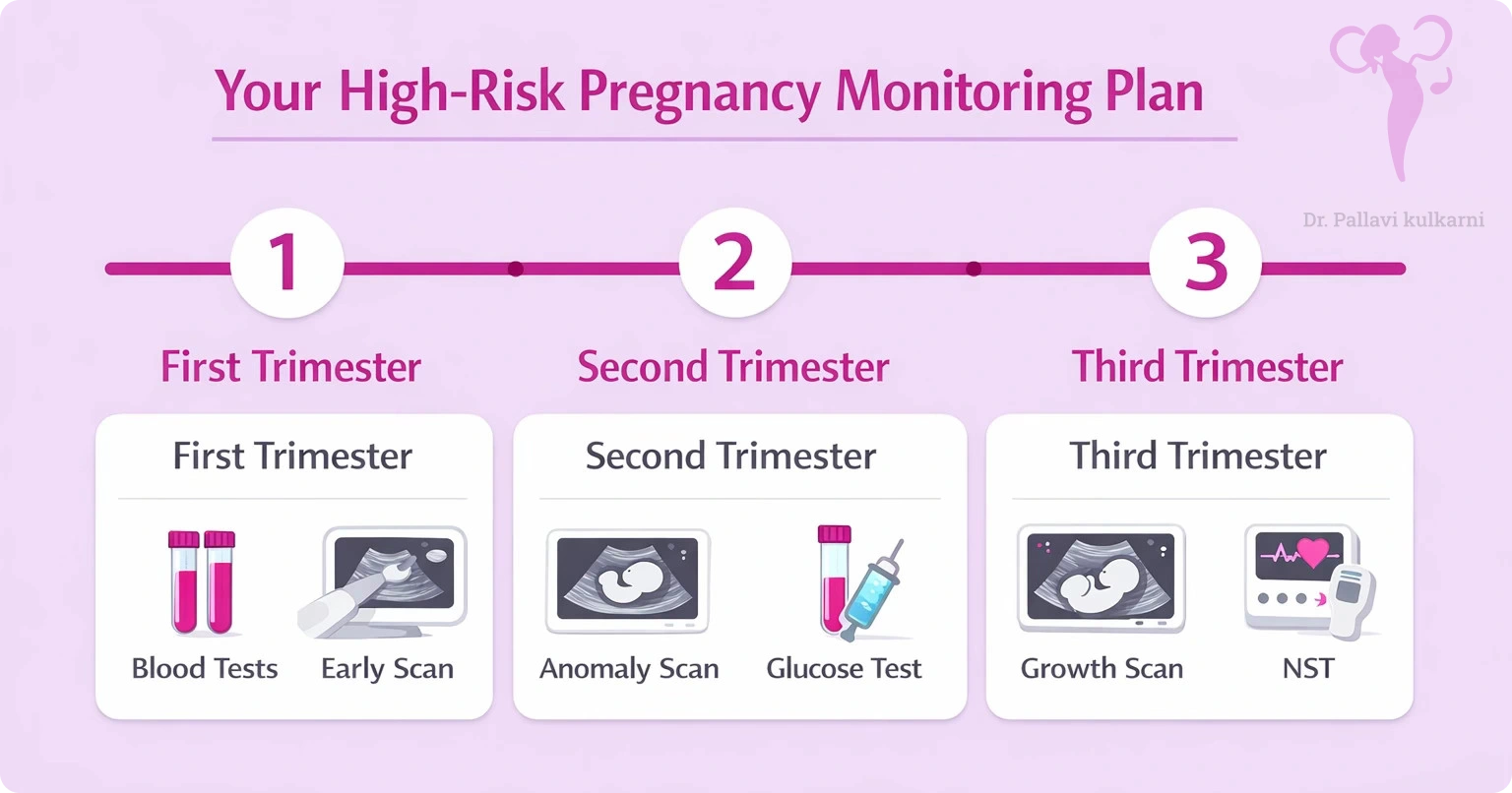
According to a Lancet Global Health study, timely prenatal screening and structured monitoring reduce adverse outcomes in high-risk pregnancies by up to 50 percent. Depending on your situation, the following may be part of your care plan:
- First Trimester Screening: Blood tests and ultrasound to assess early pregnancy viability and screen for chromosomal abnormalities
- Detailed Anomaly Scan (Level 2 Ultrasound): A thorough scan around 18 to 20 weeks to check the baby’s anatomy and growth
- Growth Scans: Serial ultrasounds in the second and third trimester to track the baby’s weight and amniotic fluid levels
- Doppler Studies: Blood flow measurements in the umbilical cord and placenta to detect early signs of compromise
- Blood Sugar and HbA1c Monitoring: Regular glucose tests for women with gestational or pre-existing diabetes
- Thyroid Function Tests: Monitoring TSH and T4 levels to ensure proper thyroid control
- Blood Pressure and Urine Protein Monitoring: Frequent checks for women at risk of preeclampsia
- Non-Stress Test (NST): Monitoring the baby’s heart rate pattern in the third trimester to assess well-being
- Cervical Length Measurement: Ultrasound assessment for women with a history of preterm delivery
For more information on recommended prenatal tests, the American College of Obstetricians and Gynecologists (ACOG) offers helpful guidelines.
“Healthcare professionals can individualise care delivery for pregnant individuals based on medical, structural, and social determinants of health rather than using a traditional one-size-fits-all model.” - American College of Obstetricians and Gynecologists (ACOG), Clinical Practice Update 2025
Treatment and Care Approach
There is no single treatment plan for a high-risk pregnancy because every case is different. What remains consistent is the approach - careful monitoring, timely decisions, and clear communication at every step.
Here is what you can expect from the care at Aarogya Women’s Clinic:
- Individualised Care Plan: Your treatment is built around your condition, your pregnancy stage, and how things are progressing - not a one-size-fits-all protocol
- Medication Management: If you need medication for diabetes, blood pressure, thyroid, or any other condition, dosages are reviewed and adjusted regularly
- Dietary and Lifestyle Guidance: Practical advice on nutrition, weight management, activity levels, and rest, tailored to your situation
- Coordinated Care: When needed, Dr. Pallavi works with other specialists - cardiologists, endocrinologists, haematologists - to ensure all aspects of your health are covered
- Delivery Planning: The mode and timing of delivery are decided based on how the pregnancy is progressing. Whether it is a normal delivery, induction, or caesarean, you will know the plan well in advance
- Emotional Support: A high-risk pregnancy can be stressful. You will get honest, clear updates about your baby’s health and your own, so you are never left guessing
“Every high-risk pregnancy plan is built around you, not a template. We adjust as things change, and you are part of every decision.” - Dr. Pallavi Kulkarni
Consult Dr. Pallavi Kulkarni at Aarogya Women’s Clinic in Thakur Village, Kandivali East. Call us at +91 91366 33062, WhatsApp us, or just walk in.
Factors That Affect Cost
The cost of high-risk pregnancy care depends on several factors and varies from one pregnancy to another. Here is what typically influences the total cost:
- Number of consultations: High-risk pregnancies usually require more frequent visits than routine pregnancies
- Type and frequency of scans: Growth scans, Doppler studies, and specialised ultrasounds add to the overall cost
- Laboratory tests: Blood sugar monitoring, thyroid tests, clotting profiles, and other condition-specific tests
- Medication: Some conditions require ongoing medication throughout pregnancy
- Need for specialist referrals: Coordinated care with cardiologists, endocrinologists, or other specialists may be required
- Mode of delivery: A planned caesarean or emergency intervention will affect total costs differently than a normal vaginal delivery
- Hospital stay: If bed rest or early hospitalisation is needed, that will be an additional factor
At Aarogya Women’s Clinic, we explain costs upfront during your consultation so you can plan accordingly. Dr. Pallavi Kulkarni will walk you through what your specific situation requires and what to expect financially.
Meet Dr. Pallavi Kulkarni – Expert Gynecologist in Mumbai
Dr. Pallavi Kulkarni is an experienced maternity doctor, gynecologist and obstetrician with 16 years of experience in women's healthcare, with particular expertise in high-risk pregnancy management, antenatal care, and complex obstetric cases. She offers close monitoring and personalised care plans for pregnancies that need extra attention, including those involving gestational diabetes, hypertension, twin or IVF pregnancies, and pregnancy after 35.
Her qualifications include MBBS from KIMS Karad (MUHS), DGO and DFP from Wadia Hospital (CPS), DNB (OB/GYN) from Central Railway Hospital, Byculla (Natboard), MRCOG (UK) from the Royal College of Obstetricians and Gynaecologists, London, and a Fellowship in IVF from AMOGS-MCOG. She is a member of FOGSI, MOGS, AFG, AMC, and IMA.
Maharashtra Medical Council Reg. No. 2005/06/2917
Why Choose Dr. Pallavi Kulkarni for High-Risk Pregnancy Care?
- Dr. Pallavi Kulkarni has 16 years of experience in obstetrics and gynaecology, with particular expertise in managing complex pregnancies.
- She takes a personalised approach to every high-risk pregnancy, adjusting the care plan as things evolve rather than following rigid protocols.
- Monitoring is thorough and timely - you will always know where things stand with your pregnancy and what the next steps are.
- When coordinated care with other specialists is needed, she ensures all aspects of your health are covered and nothing falls through the gaps.
- Consultations are private and unhurried. You get honest, clear explanations without medical jargon.
- Her approach combines clinical precision with genuine empathy - she understands that a high-risk label adds stress, and she works to reduce it.
Women from Kandivali East including Thakur Village, Kandivali West, Malad East, Malad West, Borivali East, Borivali West, Goregaon East and Goregaon West visit us for high-risk pregnancy care.
High-Risk Pregnancy Conditions - Learn More
Want to read more about a specific condition? These pages go deeper into causes, monitoring, and management:
- Gestational Diabetes: Monitoring, Diet, and Safe Delivery - coming soon
- Preeclampsia and Pregnancy Hypertension: Signs, Risks, and Treatment - coming soon
- Twin and Multiple Pregnancy: What to Expect - coming soon
- Thyroid Disorders in Women: Symptoms, Fertility, Pregnancy, Treatment, and Diet
- Previous Caesarean Pregnancy and VBAC Counselling - coming soon
- IVF Pregnancy Care: Extra Monitoring for Assisted Conception - coming soon
- Pregnancy After 35: Risks, Screening, and Planning
“I had my second child at 40. I understand what it feels like to carry a pregnancy that the textbooks call high-risk. Every scan, every test, every number carries a little more weight when you are the patient, not just the doctor. That experience shapes how I care for every woman who walks in with the same worries I once had.”
- Dr. Pallavi Kulkarni

Most high-risk pregnancies, when managed well, end with a healthy mother and a healthy baby.
Do you have any questions?
Request An AppointmentFAQ
What makes a pregnancy high-risk?
A pregnancy is considered high-risk when there is a higher chance of complications for the mother or baby. Common reasons include pre-existing conditions like diabetes, thyroid disease, or high blood pressure, chronic medical conditions such as heart disease, kidney disease, or autoimmune disorders, twin or multiple pregnancy, IVF conception, previous caesarean section, or maternal age over 35.
Can a high-risk pregnancy end in a normal delivery?
Yes. Many women with high-risk pregnancies deliver normally. The outcome depends on the specific condition, how well it is managed, and how the pregnancy progresses. A normal delivery is always the goal when it is safe for both mother and baby.
How often will I need check-ups during a high-risk pregnancy?
Check-up frequency depends on the condition. Some women need visits every two weeks, while others may need weekly monitoring in the third trimester. Your doctor will set a schedule based on your specific situation.
Is IVF pregnancy always considered high-risk?
Not always, but IVF pregnancies are often monitored more closely. The risk depends on factors like the mother’s age, whether it is a twin pregnancy, and any underlying conditions. Many IVF pregnancies progress without complications.
Can I travel during a high-risk pregnancy?
It depends on the condition. Short trips may be fine in stable cases, but long-distance travel is usually discouraged after 28 to 30 weeks. Always check with your doctor before making travel plans.
At what age is pregnancy considered high-risk?
Pregnancy after age 35 is generally considered higher risk due to increased chances of gestational diabetes, high blood pressure, and chromosomal abnormalities. However, many women over 35 have healthy pregnancies with proper care.
Can I prevent a high-risk pregnancy?
Not all risk factors can be prevented, but you can reduce risk by managing pre-existing conditions before conception, maintaining a healthy weight, taking folic acid supplements, and getting early prenatal care.
Where is Aarogya Women’s Clinic located?
Aarogya Women’s Clinic is located at Shop no. 48, EMP-53, Evershine Halley, Thakur Village, Kandivali East, Mumbai 400101. The clinic is open Monday to Saturday, 10 AM to 9 PM. Women from Kandivali East including Thakur Village, Kandivali West, Malad East, Malad West, Borivali East, Borivali West, Goregaon East and Goregaon West consult Dr. Pallavi Kulkarni for high-risk pregnancy care.
Can I consult Dr. Pallavi Kulkarni as a pregnancy doctor in Kandivali East?
Yes. Dr. Pallavi Kulkarni provides antenatal care, pregnancy monitoring, and high-risk pregnancy management at Aarogya Women’s Clinic in Thakur Village, Kandivali East.
What Our Patients Say
Gynecologist in Kandivali East Known for Kind and Reassuring Care
Women looking for a dependable Gynecologist in Kandivali East often appreciate Dr. Pallavi Kulkarni's reassuring manner, clinical expertise, and clear explanations. Her warm approach helps patients feel comfortable during every stage of care.